
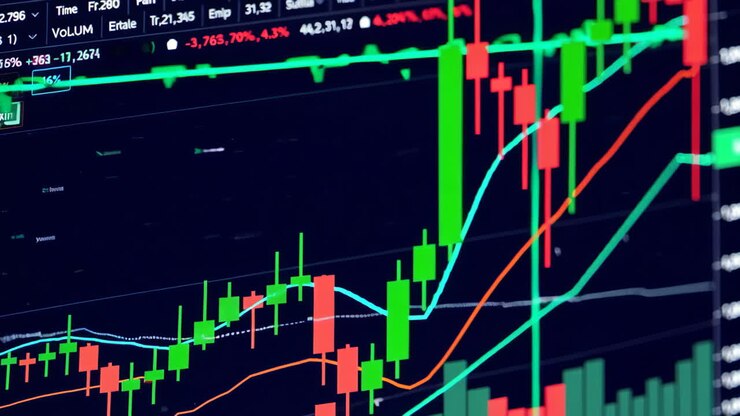
Price action is a dialogue markets conduct with themselves at all times, and most traders catch only fragments of the conversation. The candles, the volume bars, the levels, and all other visible elements reflect the history of millions of decisions made by participants with varying time horizons, varying information sets, and varying degrees of risk tolerance. Reading well means going beyond what each individual candle reveals and forming a sense of what the series of candles is collectively communicating. It is that shift from reading individual bars to reading a narrative that chart analysis begins to acquire genuine depth.
Candle bodies are a demonstration of follow through in a move. A long bullish body at the high or near the high is an indication that at the time buyers were the leaders in the market and any attempt to drive the price down was not done lightly. A brief body closing midway through its range tells quite another tale, that of pure indecisiveness in which neither party could claim any substantial dominance. Learning to interpret these differences on TradingView charts, traders learn to get a feel of conviction and tentativeness in a move, which is invaluable when deciding to enter, wait or remain flat.
The candles themselves are enlightening but the area between them can also tell a lot. Gaps, overlapping ranges, tight consolidation clusters, and sudden shifts in candle size all speak to the changing balance between supply and demand, none of which isolated bar analysis captures effectively. A series of small overlapping candles followed by a sudden expansion candle in the direction of the prior trend is not merely a visual pattern. It represents a period of absorption followed by a reassertion of directional force, a sequence that recurs across instruments and timeframes with enough consistency to be genuinely useful.
Wicks deserve an analytical focus that mainstream trading education rarely provides. An upper wick marks the distance price traveled above the body before being rejected. A single long upper wick at resistance is noteworthy on its own. Four successive candles with long upper wicks at the same price area make a statement about seller conviction at that level that a static horizontal line cannot capture. One trader who had spent months dedicating near-complete attention to wick behavior described the moment they began treating wicks as rejection evidence rather than noise as the point when their interpretation of market structure changed permanently.
Volume provides a confirmation that pure price analysis does not always offer. A strong bullish candle closing near its high means something different when it occurs on the highest volume of the week than when it forms on a quiet afternoon with thin participation. TradingView charts display volume directly beneath the candles it corresponds to, preserving the relationship between price movement and participation without requiring the trader to cross-reference a separate window. That integration matters more than it might initially seem, because the habit of reading volume in relation to price develops naturally once both are consistently visible together.
What charts eventually reveal to those who approach them with genuine patience is the behavioral pattern of human decision-making under stress. The hesitant pause before a breakout, the sharp rejection of an overextended level, the slow grinding compression that precedes an explosive move: all of these are human phenomena expressed through price. The skill of reading between the candles is not a technical achievement in the strictest sense. It is the development of a perceptual capacity that turns raw market data into something closer to understanding, and that understanding is what allows a trader to build a lasting and genuinely personal relationship with the markets they trade.