
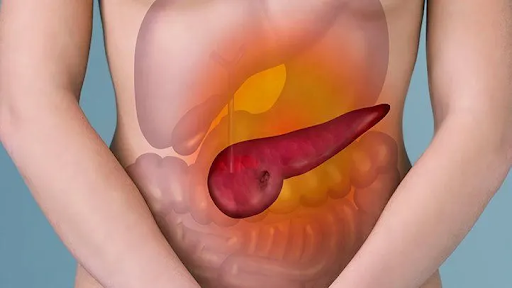
Pancreatic stones are hard deposits that form inside the pancreatic ducts, commonly in people with chronic pancreatitis. These stones may block the flow of digestive enzymes and cause abdominal discomfort, inflammation, and digestive difficulties. Modern pancreas stone treatment focuses on removing the blockage while protecting pancreatic function. Depending on the size and location of the stones, doctors may recommend endoscopic or surgical removal. Understanding the difference between these approaches can help patients make informed decisions about their treatment and long-term pancreatic health.
What Are Pancreatic Stones?
Pancreatic stones form when digestive secretions inside the pancreas harden over time. Chronic pancreatitis remains one of the most common causes behind their development. Other contributing factors may include alcohol-related pancreatic damage, genetic conditions, smoking, and narrowing of the pancreatic duct.
Symptoms can vary depending on the severity of the blockage. Some individuals experience upper abdominal pain that may radiate to the back. Others may notice nausea, bloating, weight loss, or poor digestion due to reduced enzyme flow. Doctors usually confirm the condition through imaging tests such as CT scans, MRI scans, or endoscopic ultrasound.
Endoscopic Removal of Pancreatic Stones
Doctors may recommend endoscopic treatment when pancreatic stones are smaller or located in accessible areas of the pancreatic duct.
How the Procedure Works
Endoscopic treatment uses a flexible tube, called an endoscope, to access the pancreatic duct via the digestive tract. One commonly used procedure is Endoscopic Retrograde Cholangiopancreatography, also known as ERCP. During the procedure, doctors identify the stones and remove them using specialised instruments.
Larger stones may need to be fragmented before removal. In some cases, shock wave therapy helps break the stones into smaller pieces that can pass through the duct more easily. The procedure generally does not require large surgical cuts, which makes recovery easier for many patients.
Advantages of Endoscopic Removal
Endoscopic procedures offer several benefits for selected patients, such as:
- Minimally Invasive: The treatment avoids major surgical incisions and usually causes less physical stress on the body.
- Shorter Recovery: Many patients recover faster and spend less time in the hospital compared to surgical treatment.
- Reduced Discomfort: Smaller instruments and internal access via the digestive tract may result in less post-procedure pain.
- Suitable for Smaller Stones: Endoscopic techniques often work well when stones are few and located in accessible ducts.
These advantages make endoscopic treatment a preferred first option in many uncomplicated cases.
Limitations of Endoscopic Removal
Despite its benefits, endoscopic treatment may not be suitable for every patient. Some limitations include:
- Difficulty With Large Stones: Very large or deeply located stones may not be completely removed through endoscopy alone.
- Multiple Sessions May Be Needed: Some patients may require repeated procedures if not all stones can be cleared at once.
- Risk of Complications: Bleeding, infection, or inflammation of the pancreas may occur in certain cases.
Doctors carefully assess imaging results before deciding whether endoscopic removal is likely to succeed.
Surgical Removal of Pancreatic Stones
Surgical treatment may become necessary when pancreatic stones are large, recurrent, or associated with severe pancreatic damage.
How Surgical Treatment Works
Surgery is generally considered when endoscopic treatment does not provide adequate relief or when pancreatic damage becomes more severe. During surgery, doctors may remove stones directly, widen the pancreatic duct, or remove damaged portions of the pancreas if necessary.
The surgical approach depends on the patient’s condition and the extent of chronic inflammation. In complex cases, surgery may help improve long-term pancreatic drainage and reduce repeated episodes of pain.
Advantages of Surgical Removal
Surgical treatment may provide important benefits in advanced cases, including:
- Useful for Complex Conditions: Surgery may help patients with large stones, multiple blockages, or severe narrowing of the pancreatic duct.
- Long-Term Symptom Relief: Some patients experience better pain control after surgery compared to repeated endoscopic procedures.
- Addresses Structural Damage: Surgery can treat both the stones and the underlying pancreatic changes simultaneously.
For patients with advanced chronic pancreatitis, surgery may offer more durable results.
Limitations of Surgical Removal
Surgical procedures also involve certain challenges, such as:
- Longer Recovery Period: Patients may require a longer hospital stay and more recovery time after surgery.
- Higher Physical Stress: Surgery places greater strain on the body compared to minimally invasive procedures.
- Possible Surgical Risks: Infection, bleeding, or delayed healing can occur after major operations.
Careful evaluation helps doctors determine whether the benefits of surgery outweigh the risks.
Endoscopic vs Surgical Removal: Key Differences
Both treatment methods aim to remove pancreatic stones and improve pancreatic drainage, but they differ in several ways.
- Invasiveness: Endoscopic treatment is less invasive than surgery.
- Recovery: Recovery is generally faster after endoscopic procedures.
- Suitability: Surgery may be more effective for large stones or severe pancreatic damage.
- Hospital Stay: Surgical patients often require longer hospital observation.
- Long-Term Relief: Surgery may provide longer-lasting relief in selected chronic cases.
The choice of pancreas stone treatment depends on the patient’s condition, symptoms, and imaging findings.
Conclusion
Endoscopic and surgical methods both play an important role in treating pancreatic stones. Endoscopic procedures may suit patients with smaller or less complicated stones, while surgery may help in advanced cases involving severe blockage or chronic pancreatic damage. Timely diagnosis and proper medical evaluation remain important in selecting the most appropriate treatment approach for long-term pancreatic health.