
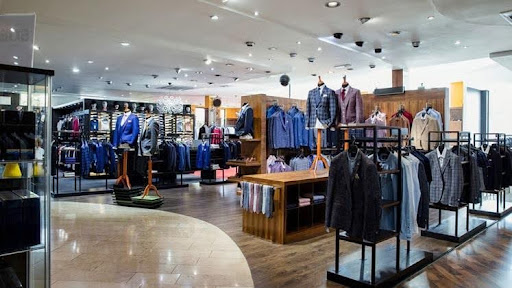
A custom display often begins as a sketch, a mood board or a rough idea from a brand team. The finished unit, however, must stand securely, carry stock, fit the store, protect products and support daily staff routines. The journey from concept to shop floor is therefore less about copying a drawing and more about turning an intention into something that can be made, delivered and used repeatedly.
The first stage is clarification. Designers and retail manufacturers need a shared understanding of what the display must achieve. That includes the product range, expected stock weight, customer interaction, cleaning needs, lighting, cable routes and the amount of space available. A concept that looks simple on screen may contain hidden questions once doors, shelves, fixings and real materials are considered.
Dimensions deserve early attention. Store surveys can reveal columns, uneven walls, low services or tight access routes that affect the design. Even a freestanding unit must pass through loading areas and doorways before it reaches its final position. Breaking a large display into sections may solve the access problem, but the joints should remain neat and the assembly sequence must be clear.
Material choices then connect the visual idea to cost and performance. A premium finish might create the right impression, yet it may mark easily in a busy setting. A lighter material may reduce handling effort but require extra support. Samples help the project team compare colour, texture, edge quality and cleaning behaviour before the full prototype is built.
The prototype is where assumptions become visible. It allows the team to check scale, product capacity, reach, sightlines and the way customers approach the unit. Staff can test how quickly stock is replenished and whether drawers or doors obstruct nearby movement. Retail manufacturers can also identify difficult joints, unnecessary parts or processes that would slow wider production.
A useful prototype review should involve more than design approval. Merchandising teams may focus on product presentation, operations staff on maintenance, and installers on access and fixing. Each group sees a different part of the display’s life. Gathering those views at one point can prevent late changes, when adjustments are more disruptive and costly.
Once the prototype is agreed, the design needs controlled production information. Drawings, finish references, hardware schedules and assembly details should all match the approved sample. Small differences in shelf spacing, colour or lighting position can become obvious when many units appear across several stores. Clear records protect consistency and give the production team a reliable reference.
Production planning also considers quantity and sequence. Components may be cut in batches, finishes applied separately and hardware fitted before final assembly. Quality checks should happen during these stages, not only when a unit is complete. Approved samples and simple checklists can help different operators judge visible details against the same standard. Catching a repeated drilling error after the first few parts is far easier than discovering it across an entire run.
Packaging is part of the design process rather than an afterthought. Corners, glass, graphics and finished surfaces need suitable protection, while packages must remain practical to lift and move. Labels can show the store, zone and installation order. Good packing reduces confusion on site and helps installers find the right component without opening every box.
The shop floor brings one final test. Installers need current drawings, clear fixing instructions and a route for reporting problems. Store teams may also need a short handover covering cleaning, lighting, moving parts and safe loading. When retail manufacturers remain connected to these last steps, feedback can inform future batches or later roll-outs.
A successful custom display keeps the original creative idea while meeting many ordinary demands. It looks right, arrives intact, fits the space and works for the people who stock and maintain it. That outcome depends on decisions made throughout the process, with each stage reducing the gap between an attractive concept and a dependable piece of retail equipment.