
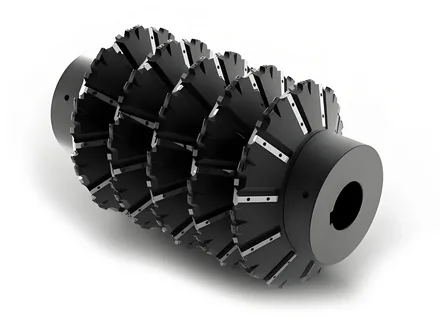
In modern mechanical engineering, gears are essential components used in machines ranging from automotive transmissions to industrial equipment. Producing accurate gears requires specialized cutting tools designed for precision and durability. Among the most important tools used in gear manufacturing are the gear milling cutter and the gear cutter tool. These tools enable manufacturers to produce consistent gear profiles that meet strict performance standards.
Because gears must function smoothly under heavy loads and high speeds, the cutting tools used to manufacture them must be extremely precise. Selecting the right gear milling cutter can significantly improve machining accuracy, reduce production errors, and increase overall efficiency in gear manufacturing processes. At the same time, choosing a reliable gear cutter tool ensures consistent results across large production runs.
What Is a Gear Milling Cutter?
A gear milling cutter is a specialized cutting tool used to create gear teeth on a workpiece through a milling process. It is commonly used for producing spur gears, helical gears, and other gear types in small to medium production volumes. The cutter is mounted on a milling machine and gradually removes material from the gear blank to form the required tooth profile.
Manufacturers rely on precise cutter geometry to ensure accurate gear shapes. When the correct gear cutter tool is used, the resulting gears exhibit proper tooth spacing, smooth operation, and minimal vibration during operation. This precision is critical in industries where even small deviations can affect machine performance.
Types of Gear Milling Cutters
There are several types of gear milling cutters available, each designed for specific gear manufacturing applications. The most common include involute gear cutters, form relieved cutters, and module-based cutters. Each gear milling cutter is designed to match specific gear parameters such as module, pressure angle, and number of teeth.
Selecting the correct gear cutter tool depends largely on the gear design and production requirements. For example, involute cutters are widely used because they generate the standard tooth shape required for many mechanical systems. Choosing the proper cutter ensures efficient machining and accurate gear geometry.
Materials Used in Gear Cutter Tools
High-performance cutting tools are typically manufactured using durable materials such as high-speed steel (HSS) or carbide. These materials provide excellent hardness and resistance to wear during high-speed machining operations. A high-quality gear milling cutter made from premium materials can maintain sharp cutting edges for longer periods, reducing the need for frequent replacements.
The performance of any gear cutter tool is directly influenced by the material used in its construction. Carbide cutters, for example, are known for their superior wear resistance and ability to operate at higher cutting speeds. Although they may cost more initially, they often deliver better productivity and longer service life.
Importance of Precision in Gear Cutting
Precision is one of the most critical factors in gear manufacturing. Poorly cut gears can cause noise, vibration, and mechanical failure in machines. Using a well-designed gear milling cutter helps ensure accurate tooth profiles and consistent spacing between gear teeth.
In addition to the cutter itself, proper machine setup and cutting parameters are essential. When the right gear cutter tool is combined with optimized machining conditions, manufacturers can achieve high-quality results while minimizing material waste and production downtime.
Applications Across Industries
Gear cutting tools are widely used in many industries that rely on mechanical power transmission. Automotive manufacturers use them to produce transmission gears, differential gears, and engine components. In these applications, the reliability of the gear milling cutter directly affects the quality of the final product.
Industrial machinery manufacturers also depend heavily on precision gear production. By using a reliable gear cutter tool, companies can manufacture gears for conveyors, pumps, compressors, and heavy equipment. These applications require gears that operate smoothly under demanding conditions.
Factors to Consider When Choosing a Gear Cutter
Selecting the correct gear cutting tool involves evaluating several technical factors. The first consideration is the module or diametral pitch of the gear being produced. The gear milling cutter must match these parameters to produce the correct tooth geometry.
Another important factor is the material of the workpiece. Different metals require different cutting speeds and tool materials. A properly selected gear cutter tool ensures efficient machining while maintaining the integrity of the cutting edges.
Production volume also plays a role in tool selection. For small production runs, traditional milling cutters may be sufficient. However, for higher production demands, manufacturers may require specialized cutters that deliver higher productivity.
Advancements in Gear Cutting Technology
Recent technological advancements have significantly improved the performance of gear cutting tools. Modern manufacturing processes use advanced CNC grinding machines to produce highly accurate cutter geometries. These improvements enhance the reliability and efficiency of each gear milling cutter used in production.
Additionally, advanced coatings such as titanium nitride (TiN) and titanium aluminum nitride (TiAlN) have improved the durability of cutting tools. These coatings reduce friction and heat during machining, allowing the gear cutter tool to maintain its performance even in demanding production environments.
Maintenance and Tool Longevity
Proper maintenance is essential to maximize the lifespan of gear cutting tools. Regular inspection helps identify wear before it affects machining accuracy. When a gear milling cutter becomes dull, re-sharpening can restore its cutting performance and extend its usability.
Manufacturers also benefit from proper storage and handling of tools. Protecting the edges of each gear cutter tool prevents accidental damage and ensures consistent performance during machining operations.
Routine maintenance not only extends tool life but also improves production efficiency. Well-maintained tools produce cleaner cuts, reducing the need for additional finishing processes.
Benefits of Using High-Quality Gear Cutting Tools
Investing in high-quality cutting tools offers several long-term advantages for manufacturers. A durable gear milling cutter improves machining accuracy and reduces tool replacement frequency. This leads to lower operational costs and more consistent production results.
Similarly, a precision-engineered gear cutter tool helps maintain strict tolerances required in modern mechanical systems. High-quality tools also contribute to smoother gear operation, which reduces noise and vibration in machines.
Conclusion
Gear manufacturing requires a combination of precision engineering, advanced machinery, and reliable cutting tools. The gear milling cutter plays a central role in shaping gear teeth with accuracy and consistency. When manufacturers choose the right cutter, they improve machining efficiency and ensure high-quality gear production.
At the same time, selecting the appropriate gear cutter tool helps maintain performance standards across a wide range of industrial applications. By focusing on tool quality, proper maintenance, and correct machining parameters, manufacturers can achieve reliable and cost-effective gear production for modern mechanical systems.