
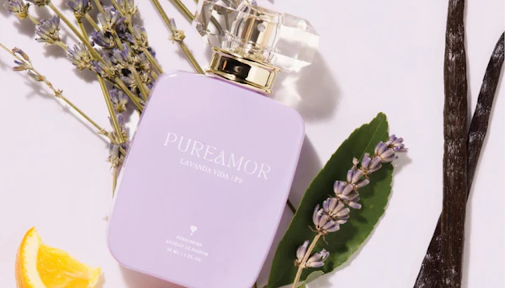
Learning how to make perfume last longer transforms your fragrance experience from frustrating to fulfilling. Even premium perfumes can disappoint when they fade before lunch, leaving you wondering whether you wasted your investment. The encouraging truth is that longevity depends as much on application technique and proper preparation as it does on the fragrance formula itself. With expert strategies, you can dramatically extend any perfume’s staying power.
Prepare Your Skin for Optimal Fragrance Hold
Moisturized skin holds perfume exponentially better than dry skin because fragrance molecules bind to skin oils. This is the single most impactful change you can make. Apply unscented lotion or body oil immediately after showering while skin remains damp. This creates a hydrated foundation that prevents perfume from evaporating too quickly throughout the day.
If you have matching body products for your perfume, layer them for even better results. However, high-quality unscented products work excellently without competing with your fragrance. Some enthusiasts apply petroleum jelly to pulse points before spraying perfume—this occlusive layer holds fragrance molecules in place remarkably well, particularly useful for special occasions requiring maximum longevity.
Timing Your Application Strategically
Apply perfume immediately after showering when skin is clean and pores remain open. This timing allows fragrance molecules to settle into skin rather than merely sitting on the surface where they evaporate rapidly. Wait a few minutes after applying moisturizer to let it absorb fully before spraying perfume, ensuring the fragrance doesn’t become diluted or slide off your skin.
Master Strategic Application Techniques
Understanding how to make perfume last longer on skin starts with knowing where to apply it. Pulse points generate heat that helps diffuse fragrance naturally: wrists, neck, behind ears, inner elbows, and behind knees. However, avoid the common mistake of rubbing wrists together after application. This friction actually breaks down delicate fragrance molecules, reducing longevity rather than enhancing it.
Hold the bottle 6-8 inches away and spray to create an even mist rather than concentrated wet spots. For lighter, all-over application, spray perfume into the air and walk through the mist. This technique works particularly well for strong fragrances that might feel overwhelming when applied directly to skin in larger quantities.
Expand Beyond Traditional Application Points
Your hair holds scent exceptionally well thanks to its porous structure. Spray perfume on your hairbrush and run it through your hair, or apply directly to hair ends while avoiding roots to prevent alcohol-related dryness. Every time you move your head, your hair releases subtle waves of fragrance that refresh the scent around you throughout the day.
Leverage Clothing for Extended Wear
Natural fibers like cotton, wool, and linen retain scent significantly longer than skin does. Lightly spray your clothing—focusing on areas away from skin contact to avoid staining. The fragrance remains detectable even after washing in many cases. Scarves are particularly excellent fragrance carriers that stay close to your face, providing consistent scent throughout the day.
Test perfume on inconspicuous clothing areas first to ensure it won’t leave marks. Delicate or light-colored fabrics require extra caution. When applying to clothing, hold the bottle further away—12-14 inches—to create a finer mist that settles gently rather than saturating the fabric.
Layer Fragrances for Maximum Impact
How to make perfume last longer on skin often involves strategic layering. Start with scented body wash, follow with matching lotion, and finish with perfume. Even without matching products, layer complementary scents—pair vanilla perfume with cocoa butter lotion, or woody fragrances with sandalwood oil. Just ensure base products don’t clash with your perfume or create confusing scent combinations.
Protect Your Investment Through Proper Storage
Heat, light, and humidity degrade perfume over time, breaking down the molecular structures that determine scent character and longevity. Store bottles in cool, dark places—never in bathrooms where temperature and humidity fluctuate dramatically. Keep original boxes for added light protection. A properly stored perfume maintains its integrity for years, while bottles left on sunny windowsills deteriorate within months.
Avoid shaking perfume bottles, as this introduces air bubbles that accelerate oxidation. Keep bottles tightly closed when not in use. If you have half-full bottles, consider transferring perfume to smaller containers to minimize air exposure as you use it. These storage practices preserve not just scent quality but also longevity performance.
Environmental Factors to Consider
Your environment affects perfume performance significantly. Air conditioning and dry climates accelerate evaporation, while humidity helps scent molecules linger. If you work in particularly dry conditions or spend significant time outdoors in cold weather, you might need a subtle midday refresh. This doesn’t indicate poor fragrance quality—it’s your perfume responding to challenging environmental conditions.
Final Thoughts
Making perfume last longer on skin combines thoughtful preparation, strategic application, and proper storage. No single technique works miracles independently, but implementing several strategies together produces dramatic improvements. Start with thoroughly moisturized skin, apply to pulse points and hair, consider clothing application, layer when possible, and protect your investment through careful storage.
These expert tips transform how you experience fragrance daily, ensuring your favorite scents accompany you from morning through evening rather than disappearing before lunch. The modest effort invested in proper technique pays consistent dividends every time you catch a subtle waft of your perfume hours after application, confirming that longevity results from smart practices as much as quality formulation.