
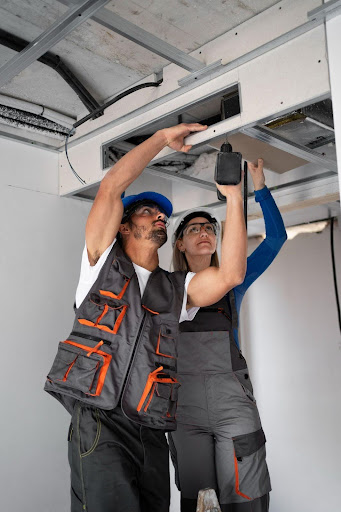
Maintaining optimal indoor comfort in both residential and industrial spaces requires innovative cooling solutions. Efficient systems not only regulate temperature but also enhance air circulation, reduce energy consumption, and improve overall indoor air quality. By incorporating modern technologies, facility managers and homeowners can ensure reliable, sustainable, and cost-effective climate control. Among the most critical components in this process is professional HVAC ductwork installation, which guarantees even airflow, reduces operational inefficiencies, and supports the long-term performance of the cooling system.
Understanding Modern Cooling Solutions
The evolution of cooling technology has shifted the focus from simple temperature control to comprehensive indoor climate management. Modern cooling solutions emphasize efficiency, adaptability, and smart integration with building systems. Industrial spaces often face challenges such as high heat loads from machinery, while residential environments require quiet, unobtrusive operation. Advanced cooling strategies address both scenarios by combining energy-efficient equipment, automated controls, and carefully designed air distribution systems.
Types of Cooling Systems
Central Air Conditioning Systems
Central air systems are ideal for larger residential properties and industrial facilities with extensive space coverage. They deliver cooled air from a central unit throughout the building, ensuring consistent comfort. Properly executed HVAC ductwork installation plays a vital role in minimizing energy losses, preventing hotspots, and maintaining balanced airflow across multiple zones.
Split and Multi-Split Systems
Split and multi-split systems offer flexible solutions where central systems may not be practical. These systems allow independent temperature control in different areas, providing energy-efficient comfort tailored to specific rooms or zones. Their compact design makes them ideal for modern homes and smaller industrial units.
Variable Refrigerant Flow (VRF) Systems
VRF systems provide advanced climate control by enabling simultaneous heating and cooling in separate zones. They are highly suitable for mixed-use buildings where diverse environmental conditions exist. VRF systems enhance energy efficiency by adjusting refrigerant flow based on demand, reducing operational costs without compromising comfort.
Evaporative Cooling Systems
Evaporative cooling is particularly effective for large industrial spaces where conventional air conditioning may be cost-prohibitive. These systems use water evaporation to cool incoming air, providing a low-energy alternative for high-capacity facilities. Proper integration with ductwork ensures maximum efficiency and air quality.
Key Components of Efficient Cooling Solutions
Achieving optimal performance from modern cooling systems requires attention to design, equipment quality, and integration. Key components include:
Ductwork Design and Installation
Efficient air distribution is essential for consistent cooling. Precise HVAC ductwork installation ensures airflow moves seamlessly from the cooling source to every occupied space, reducing energy waste, lowering noise, and improving system longevity. Careful planning of duct size, layout, and materials is necessary to maintain consistent pressure and temperature levels.
Air Handling Units
Air handling units (AHUs) manage airflow, filtration, and humidity. Advanced AHUs are designed for seamless integration with central, split, and VRF systems, enhancing both cooling efficiency and indoor air quality. Using equipment from trusted HVAC manufacturers ensures reliability, reduces maintenance needs, and extends the life of the cooling system.
Automation and Smart Controls
Smart controls enable systems to respond dynamically to occupancy, time schedules, and environmental changes. Sensors and building management systems optimize energy use while maintaining comfort. Automation also supports predictive maintenance, alerting managers to potential issues before they escalate.
Energy Efficiency Enhancements
Energy-efficient systems rely on high-performance compressors, variable-speed fans, and insulated ductwork. Modern designs reduce energy consumption, lower operational costs, and contribute to sustainable building practices, making them an essential component of contemporary cooling solutions.
Cooling Solutions for Residential Spaces
Residential cooling emphasizes comfort, convenience, and quiet operation. Modern homes demand systems that blend seamlessly with living spaces while minimizing energy use.
Centralized Home Cooling
Larger homes benefit from central air systems that provide uniform cooling throughout multiple rooms. Accurate HVAC ductwork installation is crucial for balancing airflow, preventing temperature imbalances, and maintaining a comfortable indoor environment.
Zoned Cooling Options
Zoned cooling allows personalized temperature control across different areas of the home. Split and VRF systems enable homeowners to adjust settings based on individual preferences, ensuring energy efficiency and maximum comfort. Partnering with reliable HVAC manufacturers guarantees system longevity and consistent performance.
Smart Home Integration
Integration with smart home technology allows homeowners to monitor and control their cooling systems remotely. Automated schedules, smartphone apps, and energy monitoring enhance convenience and reduce utility costs without sacrificing comfort.
Cooling Solutions for Industrial Spaces
Industrial cooling must address unique challenges, including large open areas, high heat loads, and continuous operation. Tailored solutions are critical for safety, productivity, and equipment longevity.
High-Capacity Air Distribution
Large industrial facilities require robust airflow to maintain consistent temperatures. Correctly implemented HVAC ductwork installation ensures that cooled air reaches all areas efficiently, protecting machinery, processes, and personnel from heat-related disruptions.
Specialized Ventilation Systems
Industrial spaces often require ventilation that addresses contaminants, humidity, and fluctuating temperatures. Advanced AHUs and filtration systems maintain clean air and reduce environmental risks. Using components from trusted HVAC manufacturers ensures durability and reliability under demanding operational conditions.
Energy Management and Monitoring
Industrial facilities benefit from energy monitoring tools that optimize cooling performance and electricity use. Automated controls, variable-speed fans, and predictive maintenance enhance efficiency, reduce costs, and extend equipment lifespan.
Sustainability Considerations
Modern industrial cooling increasingly emphasizes eco-friendly practices. Energy-efficient chillers, optimized airflow designs, and integration with renewable energy solutions reduce carbon footprint while maintaining operational efficiency.
Conclusion
Modern cooling solutions are critical for maintaining comfort, efficiency, and sustainability in both residential and industrial spaces. Advanced systems, precise ductwork, and smart controls deliver uniform airflow, reduce energy consumption, and enhance air quality. Whether upgrading an existing setup or designing a new facility, investing in high-performance cooling systems is a strategic choice that benefits occupants and operations alike.
FJ Group is a trusted leader in MEP engineering solutions, providing top-tier cooling systems tailored for diverse applications. With expertise in HVAC ductwork installation and collaboration with leading HVAC manufacturers, FJ Group ensures that every residential and industrial project achieves optimal climate control, energy efficiency, and long-lasting reliability. Their commitment to innovation and quality makes them the preferred choice for modern cooling solutions in the UAE and beyond.