
Florida’s climate is unlike anywhere else in the country. Between hurricane season, intense UV exposure, and sudden heavy rainfall, roofs in the Sunshine State face punishment that most building materials simply aren’t designed to handle long-term.
That’s why choosing the right roofing contractor — and the right materials — matters more here than almost anywhere else in the United States.
What Does Professional Roof Installation in Florida Actually Involve?
Getting a quality roof installation in Florida goes well beyond simply nailing down shingles. Licensed contractors must account for local building codes, wind-load requirements, and moisture barriers that are specific to Florida’s environment.
The process typically includes:
- Removing old roofing materials and inspecting the decking underneath
- Installing underlayment designed for high-humidity and wind-driven rain
- Selecting materials rated for Florida’s wind speed zones
- Ensuring proper ventilation to prevent heat and moisture buildup in the attic
- Final inspection to confirm compliance with local permitting standards
Each of these steps plays a direct role in how long a roof will last and how well it will protect the home during storm season.
How Do Florida’s Weather Conditions Affect Roofing Material Choices?
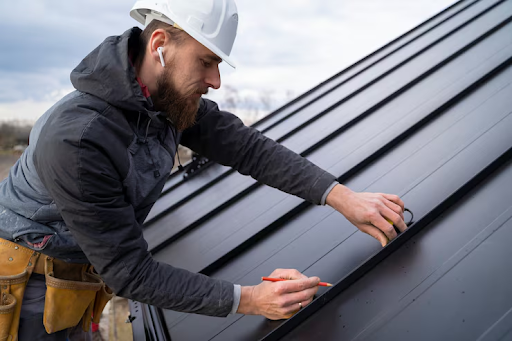
Not every roofing material performs equally under Florida conditions. Asphalt shingles are widely used and cost-effective, but they can degrade faster in extreme heat without proper ventilation. Metal roofing has grown significantly in popularity because it reflects solar heat and handles high winds with far less damage.
Tile roofing — both clay and concrete — is another common choice in South Florida. It offers excellent durability and a classic aesthetic that suits the region’s architectural style. However, tile is heavier, so the roof structure must be evaluated before installation.
What Are the Most Common Roof Repair Issues Facing Florida Homeowners?
Roof repair in Florida is often driven by a handful of recurring problems. Storm damage is the most obvious culprit, but UV degradation, poor original installation, and clogged drainage systems also cause significant issues over time.
Some of the most frequently reported problems include:
- Lifted or missing shingles after high winds
- Cracked or broken tile from debris impact
- Flashing failures around chimneys, vents, and skylights
- Water intrusion along the roof-to-wall connection points
- Algae and mold growth caused by Florida’s persistent humidity
Catching these issues early can mean the difference between a minor repair and a full replacement. Annual inspections are strongly recommended for any Florida property.
What Should Homeowners Look for When Choosing Roofing Services in Florida?
Finding reliable roofing services in Florida requires more than a quick online search. Florida has specific licensing requirements for roofing contractors, and homeowners should always verify that a contractor holds a valid state license before signing any agreement.
Beyond licensing, look for contractors who carry both liability insurance and workers’ compensation coverage. This protects the homeowner if anything goes wrong on the job site. Local experience also matters — a contractor familiar with South Florida’s specific building codes and weather patterns will deliver better results than one operating outside their area of expertise.
How Does FL Elite Roofing Serve Florida Property Owners?
FL Elite Roofing operates as a Florida-based roofing company focused on residential and commercial projects across the state. Their services cover the full range of roofing needs, from new construction installations to storm damage repairs and routine maintenance.
The company works with a variety of roofing systems, giving property owners options that fit both their budget and their home’s structural requirements. Their local knowledge of Florida permitting processes helps streamline projects that might otherwise face delays.
Final Thoughts
The short answer is yes — consistently. Florida’s environment accelerates wear on roofing systems, meaning that skipping routine maintenance often leads to larger, more expensive problems down the road.
A well-maintained roof also supports better energy efficiency. Proper ventilation and intact reflective coatings reduce the burden on air conditioning systems, which is a meaningful cost factor in a state where cooling bills run high for most of the year.
For Florida homeowners, treating the roof as a long-term investment rather than a one-time expense is simply the smarter financial approach.