
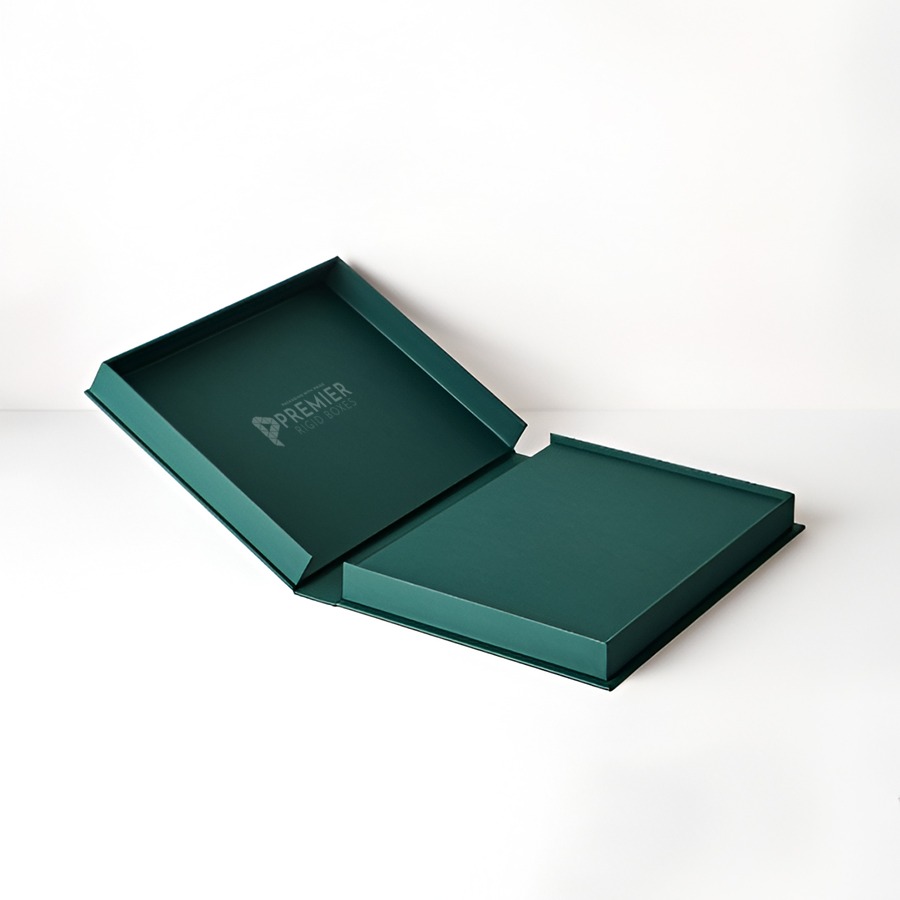
Paper is an ongoing problem for schools, universities and training centers. There are worksheets, handouts, flashcards, lab reports, and study guides. Desks become cluttered. Backpacks overflow. Students lose critical materials. Class time is lost re-finding yesterday’s worksheet. It’s an easy and elegant solution. Specially designed booklet boxes – originally created to package products – have been repurposed for classroom use. These durable, right-angled boxes are a game-changer, turning clutter into organization and enabling students and teachers to organize their academic materials like the pros.
The Problem: Paper Overload in Modern Classrooms
Even with the shift to digital, paper is still needed. Worksheets need to be written on. Flash cards need to be shuffled. Science reports require graphs and illustrations. Test preparation includes hundreds of pages of practice questions. The average high-school student produces around 15-20 pages of paper per class, per week. With six classes, this equates to 90-120 sheets per week and almost 500 sheets per month.
Without a system for sorting and storing, the sheets of paper are wrinkled in bag packs, jammed in filing folders, or misplaced. This leads to poorer academic performance, stress, and lost learning time. On average, teachers spend 10-15 minutes of every class searching for lost items.
Booklet boxes for education, smart packaging solutions for organizing study materials puts a stop to this crisis by offering sturdy, stackable and labelled containers that keep all handouts in place.
What Are Booklet Boxes?
Booklet boxes are made of rigid paperboard and were initially developed for packaging products in retail (just think of the boxes that hold a set of notecards, a small book, a gift set, or a collection of art prints). They typically feature:
- A removable or hinged lid for easy access
- Rectangular shape that matches paper sizes (letter or A4)
- Stiff construction (usually 18pt-24pt paperboard) that won’t buckle
- Smooth inner surfaces that don’t cause paper to fray
- Exterior panels that can be printed for identification or decoration
Standard sizes include:
- 5″ x 7″ – Vocabulary cards, flash cards, study cards
- 6″ x 9″ – Half letter-sized worksheets, small journals
- 9″ x 12″ – Full letter-size papers (8.5″ x 11″)
- 12″ x 12″ – Art work, large flash cards, posters
The most useful size for educational purposes is 9″ x 12″, as it will fit a full sheet of paper without having to be folded.
Smart Application 1: Subject-Specific Study Boxes
The best use in the classroom is subject-specific booklet boxes. Students are given a box for each of their subjects at the start of term. All the subject’s material is stored in the same box throughout the semester.
How to implement: Give students four to six boxes of different colors, or with label areas. On the first day, students write: “Math,” “Science,” “English”, “History”, “Foreign Language”, and “Elective” on their boxes. All homework, study guides and worksheets are placed in their boxes as soon as they are returned.
Organization tip: No more searching for the right paper in a jumble. Students take out one box to do math homework, finish the assignment, put it back in the box, and then do science homework. Review at the end of semester is a breeze all is organized.
Smart Application 2: Unit Module Boxes
Booklet boxes can be used as unit boxes for teachers to pre-plan curriculum. Each box, such as “World War II” or “Photosynthesis” will have all of the handouts, articles, maps and quizzes as needed.
How to implement: During the first week of school, create unit boxes for each unit of study. Each box should contain:
- Unit overview and learning objectives
- Handouts in the order they will be used
- Supplemental readings or primary sources
- Practice worksheets with answer keys
- Unit assessment or test
- Extra copies for absent students
When you get to the unit, take the box out. Teach in the order the materials are presented. Put all items back into the box.
Time-saving advantage: No daily planning for teachers. No more lost or misplaced items. Paraprofessionals can deliver lessons from an “all-in-one” unit box.
Smart Application 3: Vocabulary and Flashcard Storage
Flashcards are used for language acquisition, medical terms, law, and test prep (SAT, GRE, and MCAT). Flashcards that come loose can get lost or jumbled. Booklet boxes that hold 3″ x 5″ or 4″ x 6″ cards stay together.
How to implement: Select a booklet box larger than the flashcards. Dividers (cut from the extra box) keep decks from different chapters or different levels together. Label box front and spine. Keep alphabetically or by priority.
Organizational benefits: 500+ flashcards in a single box with 8-10 dividers. Flashcards can be studied on the bus, in between classes or at home without falling on the floor.
Smart Application 4: Lab Reports and Portfolios
In science classes, lab reports contain several parts: hypothesis, procedure, tables, graphs, conclusion. It’s difficult to keep these together until they are graded. The way to do this is to have a booklet box for each lab group.
How to implement: Number all booklet boxes. The group deposits its members’ reports in the box after each lab. Teacher takes the box for marking. Then reports are put back in the box for students to claim.
Organizational benefit: No loose papers on the teacher’s desk. No “I turned it in” arguments – the box gives evidence to the contrary. Portfolios are ready to go at the end of the semester.
Smart Application 5: Test Prep and Review Boxes
Test prep season generates a lot of material. Tests, vocabulary words, test taking strategies and keys pile up. Test prep booklets are stored in a test prep box.
How to implement: One month before testing, provide students with a test prep box. As test prep materials are handed out, students put them in order. Design a “master table of contents” for the inside lid. Students check off items as they are received.
Organizational benefit: The morning of the test, students carry one box filled with all test prep. No search for lost practice tests. Asking families to send in sturdy boxes from holiday gifts
Labeling Systems
Effective labeling is critical. Options include:
| Method | Cost | Durability | Best For |
| Permanent marker | Free | Low | Temporary use |
| Adhesive label (paper) | Low | Medium | One-semester use |
| Adhesive label (laminated) | Medium | High | Multi-year use |
| Dry-erase panel (taped) | Low | Medium | Rotating subjects |
| Removable vinyl sticker | Medium | High | Color-coded systems |
Durability Enhancements
Standard booklet boxes last one to two semesters with normal use. To extend lifespan:
- Reinforce corners and edges with clear packing tape before first use
- Line the bottom with thin cardboard or foam board to prevent sagging
- Teach students to open boxes by the lid, not by pulling from the side
- Replace boxes annually; recycle old boxes
- Classroom Storage of Student Boxes
When not in use, 30 student booklet boxes require significant shelf space. Solutions include:
- Open shelving units: Standard 36″ wide shelves hold 6–8 boxes per shelf
- Rolling carts: Wire utility carts with 3–4 shelves hold 15–20 boxes
- Milk crate towers: Stacked crates create vertical box storage
- Under-desk storage: Students keep their own boxes in desk cubbies
Comparison: Booklet Boxes vs. Alternative Storage
| Storage Method | Cost per Student | Durability | Stackable | Paper Protection | Label-Friendly |
| Booklet Box | $0–$2 | High | Yes | Excellent | Yes |
| 3-Ring Binder | $5–$10 | Medium | Limited | Good | Limited |
| Expanding Folder | $3–$6 | Low | No | Fair | Limited |
| Accordion File | $4–$8 | Medium | No | Good | Yes |
| Cardboard File Box | $3–$5 | High | Yes | Excellent | Yes |
| Plastic Tote | $6–$12 | Very High | Yes | Excellent | Limited |
Booklet boxes offer the best value proposition: low cost, high durability, and perfect compatibility with standard paper sizes.
Environmental and Budget Benefits
Schools operating on tight budgets appreciate the low cost of booklet boxes. A classroom set of 30 boxes costs as little as $15 if sourced from donations. Even purchased new, 30 boxes at $1 each is $30—far less than 30 three-ring binders at $8–$12 each ($240–$360).
Environmentally, booklet boxes are typically made from paperboard that is recyclable, compostable, or both. At the end of the school year, worn boxes can be recycled with standard paper waste. Compare this to plastic binders or vinyl folders that persist in landfills for centuries.
Final Thoughts
Organization is not an innate skill it is taught. By providing students with booklet boxes and teaching them systematic paper management, educators deliver a life skill that extends far beyond the classroom. College students use similar systems for course binders. Professionals use filing boxes for project materials. The habit of sorting, storing, and retrieving paper efficiently serves graduates for decades.
The humble booklet box costs little, lasts long, and delivers outsized returns in reduced stress, saved time, and improved academic performance. It is packaging repurposed as pedagogy a smart solution for a very old problem.
Frequently Asked Questions
Q: Will booklet boxes fit in student backpacks?
A 9″ x 12″ box is slightly larger than most backpack main compartments. However, students should leave subject boxes at home and carry only the day’s materials in a slim folder. The box serves as home storage, not daily transport.
Q: How do students take materials home for homework?
Each night, students remove needed papers from the subject box and place them in a lightweight “homework folder” or pocket folder. Completed work returns to the box the next morning.