
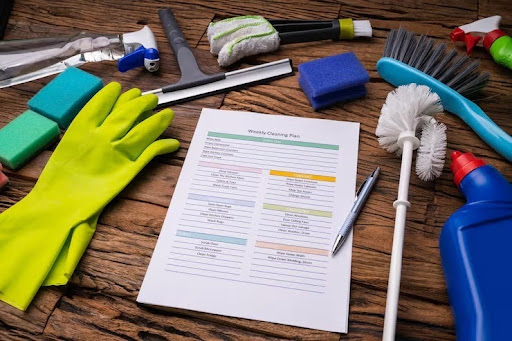
Hospital cleaning isn’t like cleaning a regular office or home. Every surface, corner, and piece of equipment carries a genuine infection control responsibility, since a missed spot isn’t just an aesthetic issue, it can directly affect patient safety. Getting this right requires a structured, consistent approach rather than a general “clean as needed” attitude. Here’s a detailed breakdown of what a proper hospital cleaning checklist should actually cover, organised by how often each task needs attention.
Why Structured Cleaning Schedules Matter in Healthcare Settings
Hospitals deal with a level of risk that most other environments simply don’t face. Bacteria, viruses, and other pathogens can survive on surfaces for hours or even days, and high-touch areas like door handles, bed rails, and medical equipment are constantly being touched by patients, staff, and visitors. Without a structured schedule covering daily, weekly, and monthly responsibilities, it’s easy for less obvious but equally important tasks, like deep-cleaning vents or replacing air filters, to get overlooked in the busyness of daily operations.
Daily Hospital Cleaning Tasks
These are the non-negotiables, tasks that need attention every single day, sometimes multiple times per shift, to maintain basic infection control standards.
High-Touch Surface Disinfection
Door handles, light switches, bed rails, call buttons, and elevator buttons need disinfecting multiple times daily. These surfaces see constant contact from patients, staff, and visitors, making them one of the highest-risk transmission points in any healthcare facility.
Patient Room Cleaning
Each patient room requires daily cleaning of floors, surfaces, bathroom fixtures, and bedside tables. Discharge cleaning, the thorough clean performed after a patient leaves, requires an even more intensive process, including full disinfection of the bed frame, mattress, curtains, and all surfaces before the room can be prepared for a new patient.
Waste Disposal and Bin Management
Clinical waste, sharps containers, and general waste bins need daily emptying and replacement, following strict protocols for handling potentially hazardous materials. Bins in high-traffic areas like waiting rooms and corridors also need regular checks throughout the day, not just once each morning.
Restroom and Bathroom Sanitation
Public and patient restrooms require multiple daily cleanings, including disinfecting toilets, sinks, taps, and floors, along with restocking soap, hand sanitiser, and paper towels. In a hospital setting, restrooms are a particularly high priority given the infection control stakes involved.
Floor Cleaning in High-Traffic Areas
Corridors, waiting rooms, and entrances need daily mopping and spot cleaning throughout the day, especially during wet weather when foot traffic tracks in extra dirt and moisture.
Spill Response
Any spill, whether it’s a liquid, bodily fluid, or other hazardous material, needs immediate attention following proper protocols, rather than waiting for a scheduled cleaning round.
Weekly Hospital Cleaning Tasks
These tasks go beyond daily upkeep, addressing areas that don’t need attention every single day but still require regular, consistent care.
Deep Cleaning of Patient Rooms
Beyond daily surface cleaning, patient rooms benefit from a more thorough weekly clean covering walls, window sills, vents, and less frequently touched surfaces that daily cleaning routines might not fully address.
Curtain and Privacy Screen Cleaning
Privacy curtains between patient beds are touched constantly and can harbour bacteria for extended periods if not cleaned regularly. Weekly inspection and cleaning, with full replacement on a set schedule, helps manage this often-overlooked infection risk.
Equipment and Furniture Deep Cleaning
Waiting room furniture, wheelchairs, and other shared equipment need a more thorough weekly clean beyond daily wipe-downs, addressing crevices and less accessible areas where dirt and bacteria can accumulate over time.
Floor Scrubbing and Buffing
Beyond daily mopping, hospital floors benefit from weekly scrubbing and buffing to maintain both hygiene standards and the durability of flooring materials, particularly in high-traffic corridors and entrances.
Storage and Supply Area Cleaning
Supply closets, medication storage areas, and equipment rooms need weekly cleaning and organisation checks to maintain hygiene standards in spaces that aren’t part of daily patient-facing cleaning routines.
Monthly Hospital Cleaning Tasks
These tasks address deeper, less frequent maintenance needs that keep a facility genuinely hygienic at a structural level, not just on visible surfaces.
Air Vent and Filter Cleaning
HVAC systems circulate air throughout an entire facility, making regular vent cleaning and filter replacement essential for maintaining air quality and reducing the spread of airborne particles. Monthly checks and cleaning help ensure ventilation systems aren’t inadvertently spreading contaminants throughout the building.
Deep Carpet and Upholstery Cleaning
Where carpets exist in hospital settings, typically in administrative areas or waiting rooms rather than clinical spaces, monthly deep cleaning removes trapped dirt, allergens, and bacteria that regular vacuuming doesn’t fully address.
Window and Glass Cleaning
Windows, glass partitions, and other glass surfaces throughout a facility need monthly attention to maintain both cleanliness and a professional appearance, particularly in patient-facing and public areas.
Wall and Ceiling Cleaning
Monthly inspection and cleaning of walls and ceilings, particularly in clinical areas, helps catch and address any mould, staining, or buildup that daily and weekly cleaning routines wouldn’t typically reach.
Deep Cleaning of Rarely Used Areas
Storage rooms, archive spaces, and other infrequently accessed areas still need periodic attention to prevent dust buildup, pest issues, or other hygiene concerns from developing unnoticed over time.
Equipment Audits and Deep Sanitisation
Monthly reviews of cleaning equipment itself, mop heads, cleaning cloths, and machinery, ensure that the tools being used to maintain hygiene standards aren’t themselves becoming a source of contamination.
Why Professional Expertise Matters for Hospital Cleaning
Given the infection control stakes involved, hospital cleaning isn’t a task suited to general commercial cleaning approaches. It requires trained staff who understand proper disinfection protocols, correct handling of clinical waste, and the specific standards healthcare facilities must meet for compliance and accreditation purposes.
This is exactly why facilities should look specifically for the best hospital cleaning services in Darwin, rather than assuming any general commercial cleaner can adequately handle a healthcare environment’s unique requirements. Proper hospital cleaning providers train staff specifically in infection control standards, use hospital-grade disinfectants, and structure their schedules around exactly this kind of daily, weekly, and monthly task breakdown.
What to Look for in a Hospital Cleaning Provider
Specialised training. Staff should be trained specifically in healthcare cleaning protocols, not just general commercial cleaning standards.
Proper certification and compliance knowledge. A reputable provider should understand infection control standards relevant to healthcare accreditation requirements.
Clear, structured scheduling. Providers should be able to clearly outline their daily, weekly, and monthly task breakdown, rather than offering a vague, general cleaning service.
Appropriate products and equipment. Hospital-grade disinfectants and properly maintained equipment are essential, not optional extras.
Reliable, consistent staffing. Healthcare facilities need dependable, trained cleaning teams who understand the specific risks and responsibilities involved, rather than rotating, inconsistent staff.
Beyond Hospitals: Choosing the Right Cleaning Partner
Interestingly, many facilities managers responsible for hospital contracts also end up sourcing cleaning support for associated staff housing, administrative offices, or residential properties tied to healthcare staff accommodation. In these cases, it’s worth also looking into the best home cleaning services company in Darwin, since some established providers offer both specialised healthcare cleaning and general residential services under one roof, which can simplify vendor management considerably for larger organisations.
Final Thoughts
A proper hospital cleaning checklist isn’t just about tidiness, it’s a genuine infection control responsibility that directly affects patient and staff safety. Breaking tasks down into daily, weekly, and monthly categories ensures nothing gets overlooked in the busyness of everyday operations, from high-touch surface disinfection multiple times a day to deeper structural cleaning like vent maintenance each month. Partnering with a provider genuinely experienced in healthcare-specific cleaning standards, rather than a general commercial cleaner, is essential to maintaining the level of hygiene a hospital environment demands.