
If you’ve lived through even one Darwin wet season, you already know mosquitoes stop being an occasional annoyance and start feeling like a genuine daily battle. Between October and April, the combination of heavy rainfall, high humidity, and warm temperatures creates about as close to perfect mosquito breeding conditions as you’ll find anywhere in Australia. The good news is that with the right habits, Darwin homeowners can significantly cut down mosquito activity around their property, even during the wettest months of the year.
Why Wet Season Makes Mosquito Control So Much Harder
During the dry season, mosquito populations in Darwin generally settle into more manageable levels, since there’s simply less standing water around to support large-scale breeding. The wet season flips this completely. Frequent, heavy downpours refill gutters, garden containers, and low-lying yard areas almost as fast as they’re cleared, giving mosquitoes a constant supply of fresh breeding sites. Combine that with humidity levels that rarely drop and temperatures that stay warm around the clock, and you’ve got conditions that let the mosquito breeding cycle run at full speed for months at a stretch.
1. Eliminate Standing Water After Every Downpour
This is the single most effective thing any Darwin homeowner can do during wet season. Mosquitoes need standing water to breed, and during heavy rain, water collects in far more places than people usually expect: pot plant saucers, kids’ outdoor toys, tarps, blocked gutters, and even bottle caps or discarded containers in the yard. Make a habit of doing a quick walk-around after significant rainfall, tipping out anything holding water rather than waiting for it to evaporate naturally, which in Darwin’s humidity can take much longer than you’d think.
2. Keep Gutters and Drains Clear
Gutters clogged with leaves and debris are one of the most common hidden mosquito breeding sites, especially during wet season when they’re constantly being topped up with fresh rainwater. Regular gutter clearing, ideally at least monthly through the wet season, prevents this largely invisible breeding ground from establishing itself right above your home.
3. Check Stormwater Drainage Around Your Property
Low-lying areas of your yard that collect and hold water after rain, rather than draining away properly, become significant mosquito breeding sites over the wet season. If you’ve noticed particular spots that consistently pool water, it’s worth addressing the underlying drainage issue directly, whether through regrading, added gravel, or improved runoff paths, rather than just tipping the water out repeatedly every few days.
4. Maintain Pool and Water Feature Circulation
An unused or poorly maintained pool can turn into a serious mosquito breeding ground surprisingly quickly during wet season, since heavy rain regularly tops up the water level regardless of whether anyone’s using it. Keeping pools properly filtered, circulating, and chemically balanced prevents this, and the same goes for ornamental ponds or water features, which benefit from proper aeration or mosquito-eating fish species if drainage isn’t practical.
5. Screen Doors, Windows, and Rainwater Tanks
Good physical barriers matter just as much as breeding prevention. Make sure flyscreens on doors and windows are properly fitted and free of tears, since even small gaps let plenty of mosquitoes through during peak evening activity hours. Rainwater tanks should also have secure, intact mosquito-proof screening on all inlets and overflow points, since these systems can otherwise become a significant, easily overlooked breeding site.
6. Manage Garden Vegetation
Dense, overgrown vegetation provides shaded, humid resting spots for adult mosquitoes during the day, and certain plants, like bromeliads, can actually collect standing water in their leaf structure. Keeping garden beds trimmed back, particularly around the perimeter of outdoor living areas, reduces the shaded resting spots mosquitoes rely on between feeding periods.
7. Use Personal Repellents for Outdoor Activity
During wet season, mosquito activity tends to peak around dawn and dusk, though it can remain fairly persistent throughout humid, overcast days too. Applying a proper insect repellent before spending time outdoors, particularly in the evening, remains one of the simplest and most effective personal protection measures, especially for backyard gatherings or outdoor dining.
8. Consider Professional Barrier Treatments
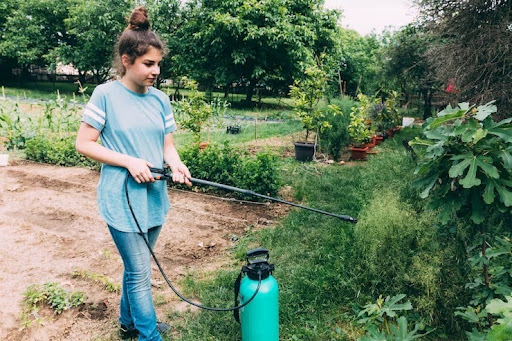
For persistent problem areas that basic prevention doesn’t fully resolve, professional mosquito treatments applied to garden vegetation, fence lines, and outdoor living spaces can provide weeks of ongoing protection rather than the few hours offered by home repellent sprays or coils. This kind of barrier treatment works alongside source reduction, rather than replacing it, targeting adult mosquitoes resting in vegetation during the day while your own prevention habits handle the breeding side of things.
9. Time Outdoor Activities Around Peak Mosquito Hours
If you have some flexibility, scheduling outdoor activities outside of dawn and dusk, when mosquito activity typically peaks, can meaningfully reduce your overall exposure during wet season. It’s not always practical, especially for evening barbecues or family time outside, but it’s a simple, free adjustment worth considering where it fits.
10. Stay Consistent, Not Just Reactive
Perhaps the most important mindset shift for wet season mosquito pest control is treating prevention in Darwin as an ongoing weekly habit rather than a one-off response to a bad night of bites. Because Darwin’s wet season keeps refilling potential breeding sites every few days through regular rainfall, a single thorough clean-up won’t hold for long. Regular, consistent checks throughout the season make a far bigger difference than periodic, intense efforts followed by long gaps of inattention.
A Simple Wet Season Mosquito Checklist
- Tip out standing water after every significant rainfall
- Clear gutters and downpipes at least monthly
- Check for pooling water in low-lying yard areas
- Keep pools and water features properly circulating
- Repair or replace damaged flyscreens
- Screen rainwater tank inlets and overflow points
- Trim back dense garden vegetation
- Apply repellent before evening outdoor activities
- Consider professional barrier treatment for persistent problem areas
When to Call in Professional Help
If you’ve addressed the obvious breeding sites around your property and mosquito activity is still a near-daily problem rather than an occasional nuisance, it’s a sign the issue may extend beyond your own yard, or that hidden breeding sites remain undetected. A professional inspection can identify less obvious problem areas and apply barrier treatments that last considerably longer than anything available in DIY sprays or coils, offering more reliable relief through the toughest months of the wet season.
Final Thoughts
Darwin’s wet season creates genuinely difficult conditions for keeping mosquitoes under control, but consistent, simple habits, clearing standing water, maintaining gutters and drains, screening entry points, and managing garden vegetation, go a long way toward keeping your property far less appealing to breeding mosquitoes. Combined with personal repellent use and, where needed, professional barrier treatments for persistent problem areas, Darwin homeowners can noticeably cut down mosquito activity even during the wettest, most humid stretches of the year.