
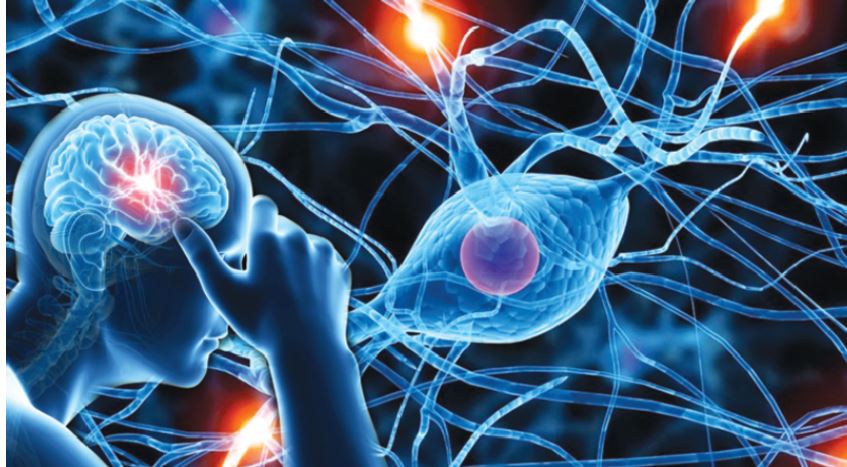
Neurological disorders affect the brain, spinal cord, and nerves, influencing movement, memory, speech, sensation, and coordination. They can affect people of all ages and may develop gradually or appear suddenly. Recognising symptoms early and seeking medical advice can support timely diagnosis and appropriate treatment.
If you are looking for the best neurologist in Delhi understanding the neurological disorders they commonly treat can help you recognise when specialist care may be needed. Neurologists assess symptoms, identify their underlying cause, and recommend treatment based on each patient’s condition and medical history.
Stroke
A stroke occurs when blood flow to part of the brain is interrupted by a blocked blood vessel or bleeding. Common symptoms include sudden weakness on one side of the body, difficulty speaking, facial drooping, dizziness, or vision changes.
Neurologists diagnose the type of stroke and recommend appropriate treatment. Depending on the condition, management may include medicines, rehabilitation, and regular follow-up to support recovery and reduce the risk of future complications.
Epilepsy
Epilepsy is a neurological disorder that causes repeated seizures due to abnormal electrical activity in the brain. Seizures vary from person to person and may involve temporary loss of awareness, involuntary movements, or unusual sensations.
Diagnosis includes a detailed medical history, neurological examination, and appropriate investigations. Treatment aims to reduce seizure frequency and help individuals manage their daily activities safely.
Parkinson’s Disease
Parkinson’s disease mainly affects movement and develops gradually. Early symptoms often include tremors, muscle stiffness, slower movements, and difficulty maintaining balance. Some people may also notice changes in speech or facial expressions.
Although there is no permanent cure, treatment can help manage symptoms. Neurologists may recommend medicines, physical therapy, and regular monitoring to improve mobility and support independence.
Migraine and Chronic Headaches
Migraines are more than ordinary headaches. They may cause severe head pain, nausea, sensitivity to light or sound, and temporary visual disturbances. Persistent headaches may also indicate another neurological condition.
Neurologists evaluate headache patterns and associated symptoms before recommending treatment. Identifying the cause helps reduce the frequency and severity of headaches through appropriate management.
Multiple Sclerosis
Multiple sclerosis is an autoimmune condition that damages the protective covering of nerve fibres, affecting communication between the brain and the rest of the body. Symptoms may include numbness, muscle weakness, blurred vision, fatigue, and balance problems.
As these symptoms can resemble other neurological conditions, careful assessment is essential. Treatment plans may include medicines, rehabilitation, and regular monitoring to help manage symptoms and support daily functioning. Early diagnosis supports timely treatment and symptom management.
Dementia and Memory Disorders
Persistent memory problems should not be dismissed without medical evaluation. Dementia affects memory, reasoning, behaviour, and daily functioning. Various neurological conditions can contribute to cognitive decline.
Neurologists assess memory disorders to identify the underlying cause and recommend suitable management. The treatment approach depends on the type and stage of the condition, as well as the individual’s overall health. Early diagnosis helps patients and families plan appropriate care.
Patients with neurological disorders often benefit from coordinated care involving neurologists, rehabilitation specialists, and other healthcare professionals. Hospitals such as BLK-Max Super Speciality Hospital offer multidisciplinary neurological care, supported by advanced diagnostic facilities and personalised treatment plans based on each patient’s condition.
Peripheral Neuropathy
Peripheral neuropathy develops when nerves outside the brain and spinal cord become damaged. Symptoms commonly include numbness, tingling, burning sensations, pain, or weakness in the hands and feet. Diabetes, vitamin deficiencies, infections, and other medical conditions are recognised causes.
Management focuses on identifying the underlying cause, relieving symptoms and preventing further nerve damage wherever possible. Regular follow-up helps monitor progress and allows treatment to be adjusted when necessary.
When Should You Consult a Neurologist?
Some neurological symptoms require specialist evaluation. You should seek medical advice if you experience any of the following:
- Persistent Headaches: Frequent or severe headaches that continue despite routine treatment.
- Repeated Seizures: Any unexplained seizure should be assessed to determine its cause.
- Sudden Weakness or Numbness: Weakness affecting one side of the body requires prompt medical attention.
- Memory Changes: Ongoing forgetfulness or confusion should not be ignored.
- Speech or Vision Changes: Sudden changes in speech or vision may indicate a neurological condition.
- Balance Problems: Persistent dizziness or difficulty walking requires medical assessment.
These symptoms may have different causes, but early neurological evaluation helps identify the underlying condition and supports timely treatment. Consulting the best neurologist in Delhi can help ensure appropriate diagnosis and management.
Conclusion
Neurological disorders can affect many aspects of daily life, but early diagnosis and appropriate medical care can improve symptom management and overall well-being. Conditions such as stroke, epilepsy, Parkinson’s disease, migraine, multiple sclerosis, dementia, and peripheral neuropathy require careful evaluation and personalised treatment. Recognising warning signs early and seeking specialist care when needed can support better long-term neurological health.