
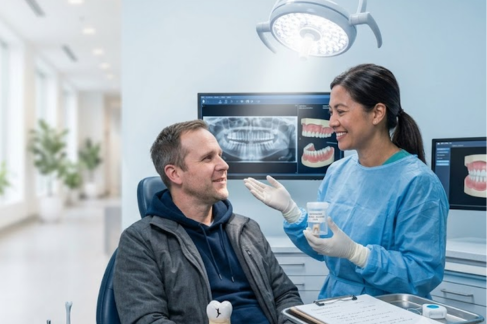
If you could sit down with a dentist and ask them anything about dental emergencies, what would you want to know? Experienced dental professionals have handled thousands of emergency situations and gained insights that could fundamentally change how you approach dental crises. Here’s what dentists consistently wish their patients understood about emergency dental care.
Prevention Really Does Work Better Than Treatment
Every emergency dentist in Fort Worth, TX, will tell you the same thing: the best emergency to manage is the one that never happens. This isn’t just platitude—it’s backed by years of professional experience. Dentists see the pattern repeatedly: patients who maintain excellent home care and regular checkups rarely experience dental emergencies, while those who neglect preventive care face crisis after crisis.
Brushing twice daily, flossing consistently, and visiting your dentist twice yearly prevent the vast majority of dental emergencies. Yet many people only schedule dental visits when something hurts. By then, damage has already progressed to emergency-level severity.
Don’t Wait Until Pain Is Unbearable to Seek Help
Dentists wish more patients would seek care when they first notice problems rather than waiting until pain becomes incapacitating. Early intervention prevents progression. A small cavity caught at a checkup requires a simple filling. Left untreated, that same cavity reaches the nerve, requiring emergency root canal therapy—a far more complex and expensive procedure.
The moment you notice persistent tooth discomfort, sensitivity, or visible damage, scheduling an appointment protects your tooth and prevents emergencies. Waiting for pain to worsen wastes time and money.
Infections Spread Faster Than You Realize
One of the most concerning aspects of dental emergencies, from a dentist’s perspective, is how quickly infections can spread. What begins as a localized tooth infection can progress to facial swelling, then systemic infection, alarmingly fast. Dentists have treated patients who delayed seeking care and ended up with serious health complications requiring hospitalization.
If you notice any facial swelling or fever accompanying tooth pain, seeking immediate professional evaluation isn’t overreacting—it’s essential. These symptoms indicate infection spreading beyond the tooth itself.
Your Descriptions Help Us Help You
When you call reporting a dental emergency, specific descriptions accelerate appropriate response. Rather than “my tooth hurts,” describe the location, severity on a 1-10 scale, when it started, and what makes it better or worse. This information helps your dentist determine urgency and prepare for your visit.
Also mention any swelling, fever, recent trauma, or visible damage. These details paint a picture of what’s happening and help your dentist mobilize appropriate resources.
We’re Not Judging—We’re Here to Help
Many people delay seeking emergency care because they’re embarrassed about their dental health. They imagine being criticized for poor oral hygiene or past neglect. Experienced dentists have abandoned judgment entirely—their focus is purely on helping you feel better and addressing the problem.
Dentists know that life circumstances, access barriers, financial constraints, and dental anxiety all contribute to oral health challenges. Their role is supporting you, not criticizing you.
Temporary Solutions Aren’t Actually Solutions
Dentists see many patients who’ve treated emergencies with temporary solutions—over-the-counter products, home remedies, or prescriptions from non-dental providers. While these might provide temporary relief, they don’t address underlying problems. Patients often return weeks later with the situation significantly worse.
The true solution requires professional assessment and appropriate treatment. Temporary relief purchases time to get professional help—it doesn’t replace it.
The Cost of Emergency Care Is Often Less Than You Fear
Patients frequently avoid seeking emergency care due to cost anxiety. While emergency dental care isn’t free, it’s often less expensive than the extensive treatment required when you delay. Additionally, many dental practices offer payment plans, financing options, or sliding scale fees that make emergency care accessible.
Many patients who finally seek care for emergencies they’ve been managing alone are surprised to discover the costs are manageable.
Timing Really Matters for Certain Emergencies
For specific situations like knocked-out teeth, timing is literally critical. Reimplantation is significantly more successful within 30-60 minutes. Facial infections with fever require urgent attention. Severe uncontrolled bleeding needs immediate assessment.
Conversely, many emergencies can be managed in a regular appointment the next day. Understanding which situations are truly urgent versus which can wait prevents unnecessary emergency room visits while ensuring you get appropriate care when timing matters.
Your Anxiety Won’t Surprise Us
Many anxious patients avoid seeking emergency care because they’re nervous about the appointment itself. Dentists routinely work with anxious patients and have developed strategies to help. Mentioning your anxiety when you call allows them to prepare—shorter appointments, gentle communication, or sometimes sedation options.
Avoidance of emergency care due to anxiety often results in much worse situations that provoke even more anxiety. Getting the help you need actually reduces overall dental anxiety long-term.
Follow-Up Care Makes a Difference
After emergency treatment, adhering to follow-up appointments and recommendations significantly improves long-term outcomes. Some patients receive emergency care then ignore follow-up suggestions, resulting in recurring problems.
Committing to post-emergency follow-up care—whether completing antibiotics, attending aftercare appointments, or scheduling comprehensive treatment—prevents problems from recurring.
Moving Forward
Dental emergencies are stressful, but they’re manageable. Seeking prompt professional care, following post-emergency recommendations, and committing to prevention-focused care going forward all contribute to better long-term outcomes. Your dentist isn’t here to judge—they’re here to help you maintain healthy teeth and avoid future crises.