
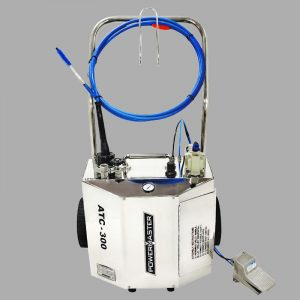
Heat exchange systems depend on clean internal surfaces to move heat and fluids without resistance. Even a thin layer of scale or sludge can block flow paths, trap heat, and push equipment beyond safe limits. This is where tube cleaners become essential, helping industries maintain steady output and avoid hidden losses.
What is Tube Cleaning?
Tube cleaning is a maintenance process that removes scale, deposits, sludge, and other contaminants from the inner walls of tubes used in equipment like boilers, condensers, and heat exchangers.
These deposits build up over time due to minerals, chemicals, or process residues. If left untreated, they reduce heat transfer and restrict flow. A tube cleaning machine clears these obstructions and restores the tube’s internal condition so systems can run as designed.
Why Tube Cleaning is Important in Industrial Applications
Maintains Heat Transfer Efficiency
Deposits act like insulation. They stop heat from passing through tube walls. Cleaning restores proper heat exchange, allowing systems to work at the expected capacity.
Reduces Energy Use and Fuel Costs
Blocked tubes force systems to work harder. This increases energy demand and fuel use. Clean tubes reduce load and help control operating costs.
Prevents Corrosion and Tube Damage
Contaminants can trigger corrosion and create hot spots. These weak points can lead to cracks or tube failure. Regular cleaning protects the metal surface and avoids damage.
Minimizes Downtime
Unexpected shutdowns disrupt production and raise costs. Routine cleaning reduces the risk of sudden failures and keeps operations stable.
Extends Equipment Life
Clean tubes maintain structural strength. This helps industries get longer service life from expensive assets like heat exchangers and boilers.
Common Tube Cleaning Methods
High-Pressure Water Jetting
This method uses high-speed water to break and flush out deposits. It works well for tough scale and provides full internal coverage.
Mechanical Cleaning
Rotary tools spin brushes or heads inside the tube. A tube cleaning machine is often used here to remove hard buildup with precision.
Chemical Cleaning
Special solutions dissolve or soften deposits. This method supports other cleaning processes when scale is too stubborn to remove mechanically.
Where Tube Cleaning is Used
Industries rely on tube cleaning across key systems:
- Boilers that generate steam
- HVAC chillers that handle cooling loads
- Heat exchangers in process plants
- Marine condensers and onboard systems
Each of these systems depends on clean tubes for safe and efficient operation.
Conclusion
Tube cleaning plays a direct role in efficiency, safety, and cost control. It keeps systems reliable, reduces energy waste, and prevents long-term damage. In the middle of this maintenance strategy, tube cleaners stand out as specialized solutions designed to handle complex industrial cleaning needs with precision and consistency. Regular cleaning is not optional. It is a core part of keeping industrial operations stable and productive.